In 2025, Braemar Charitable Trust put the call out for interested GPs to take part in skin lesion professional development with Dr Winston McEwan, a Hamilton-based plastic surgeon with several decades’ experience in reconstructive, cosmetic and hand surgery.
The opportunity was designed to upskill GPs on skin lesion removal/minor surgery, which has been identified by primary health providers as a significant area of unmet need.
Trust Manager Paula Baker says some GPs can remove skin lesions in their practices, but may have limited funding, and in some cases the expertise to do minor surgery. “Adding to this, is that patients who are referred to a specialist are often declined,” she says.
“With the support of funding from DV Bryant Trust and the Glenice and John Gallagher Foundation, we have been able to address this by enabling this professional development for GPs, which results in them being confident to remove skin lesions and provide minor plastic surgeries in their practices, and helping more patients in the process.”
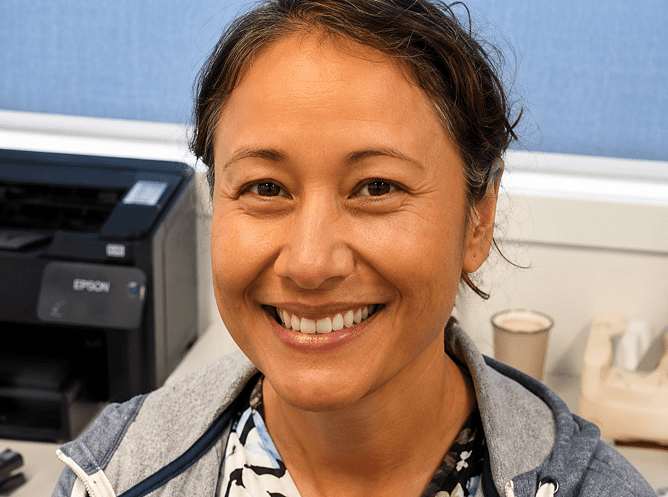
Paeroa GP Dr Loretta Radford, who already had an interest in minor plastics, signed up immediately. She had previously attended other skin lesion training sessions but jumped at the chance to be part of Dr McEwan’s two half-day sessions.
“Winston’s training was incredible. It was relevant and to the point, and he quickly instilled in me what to do in my own practice. I walked away with a greater sense of confidence in applying those skills in our practice in Paeroa.”
GPs making an impact at Hauora Days
Braemar Charitable Trust is heavily involved in Waikato Hauora Days, enabling patients to access specialist consults or procedures they’ve been waiting for in their own community and in a way that works well for the whole whānau.
Dr Radford volunteered to provide one of the half-day skin lesion clinics at the Tokoroa Hauora Day, an experience she says she can’t wait to do again.
“I was in awe of the whole set up – the atmosphere and family-friendly vibe. It’s a privilege to be around all these people who care about improving the health of their communities.”
Dr Radford says her clinic at the Hauora Day primarily involved doing skin lesion checks, excisions if they were needed, or referring patients on for further treatment. There were also a few cases of ‘assess and reassure’ for some.
“Not all skin lesions need treatment, but patients won’t know that until it’s checked out properly. One gentleman I saw came in with his wife who was concerned about some spots he had, so I was able to assess him and send him on his way confident nothing was amiss. Having peace of mind in that situation is valuable for them, so whānau can go on with their lives without the worry or ‘what ifs’ hanging over them.”
Hauora Days helping reduce pressure on public system
Across three Hauora Days in Taumarunui, Tokoroa and Te Kūiti, 61 patients received specialist appointments in their communities, including from GPs volunteering at skin lesion clinics.
Ms Baker says skin lesion upskilling is an innovative approach to meeting multiple needs: enabling professional development of GPs, such as Dr Radford, while also helping to reduce wait times and enabling access to minor surgeries for those who need it.